Case study · T-Mobile
Choosing a wireless charging path for T-Mobile phones
I led T-Mobile's 2009 evaluation of wireless charging suppliers for phone battery covers.
- Role
- Producer and innovation strategist
- Organization
- T-Mobile
- When
- May 2009 to Aug 2009
- Platform
- Mobile hardware accessory, T-Mobile HTC Magic / MyTouch
In short
- 01T-Mobile needed to decide which wireless charging product to test and potentially release, and the cover had to keep USB access.
- 02As producer and innovation strategist, I led the vision and the project, compiled the supplier RFI and directed the design explorations.
- 03We narrowed the field to PowerMat and WildCharge and defined an electromechanical solution that kept USB access, as an accessory exploration.
- requirements / specs
- competitive analysis
- surveys · 502 respondents
- personas · by PowerMat
- design explorations / directions
- industrial design
01Opportunity
Four suppliers offered wireless charging, each with different trade-offs
In 2009 at T-Mobile, I led an accessory exploration for a wireless charging battery door and mat for the HTC Magic / MyTouch, using induction charging.
PowerMat, WildCharge, Mojo Mobility and Fulton/eCoupled each had trade-offs in thickness, efficiency, data transfer and price. The cover also had to keep USB access.
The work sat with T-Mobile's Creation Center and Advanced Innovations team, and fed a go/no-go decision that involved tooling costs and the risk of looking late to market. As producer and innovation strategist, I owned that evaluation.
02Hypothesis
A custom cover could charge and still pass data
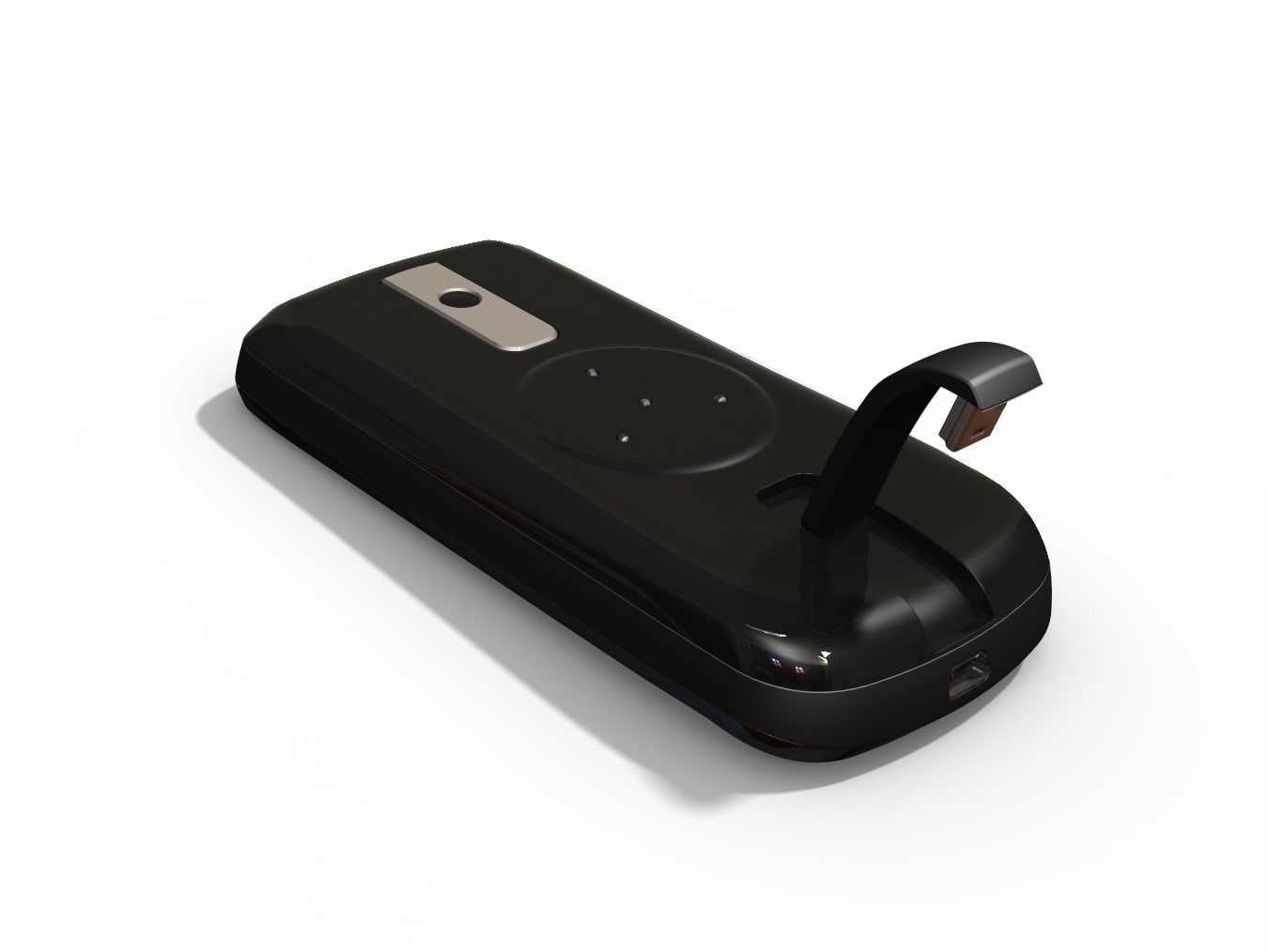
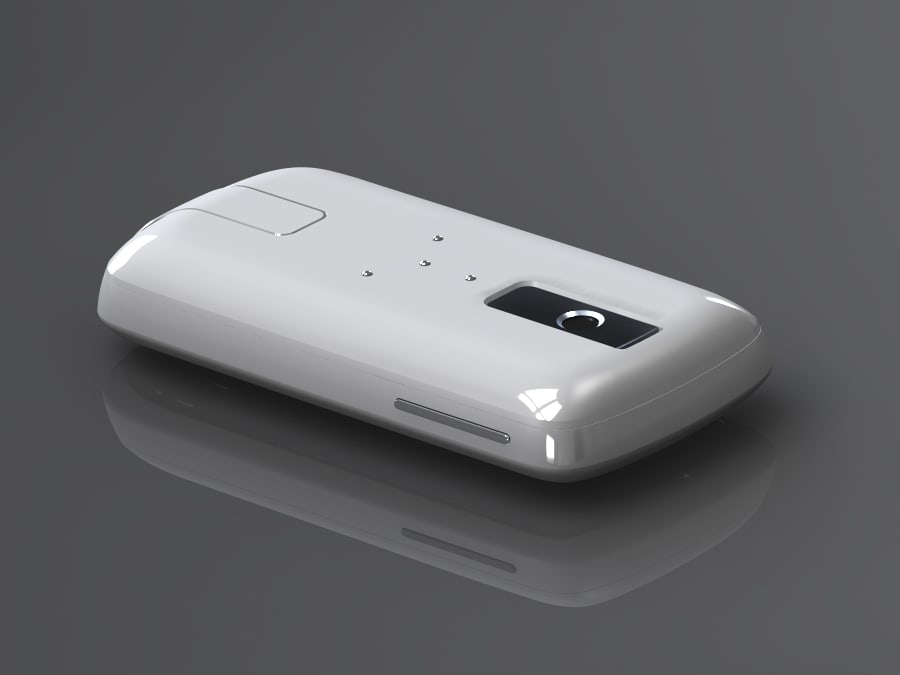
The bet was an induction-charging battery door and mat for the MyTouch that kept the phone's design and its USB port for file transfer.
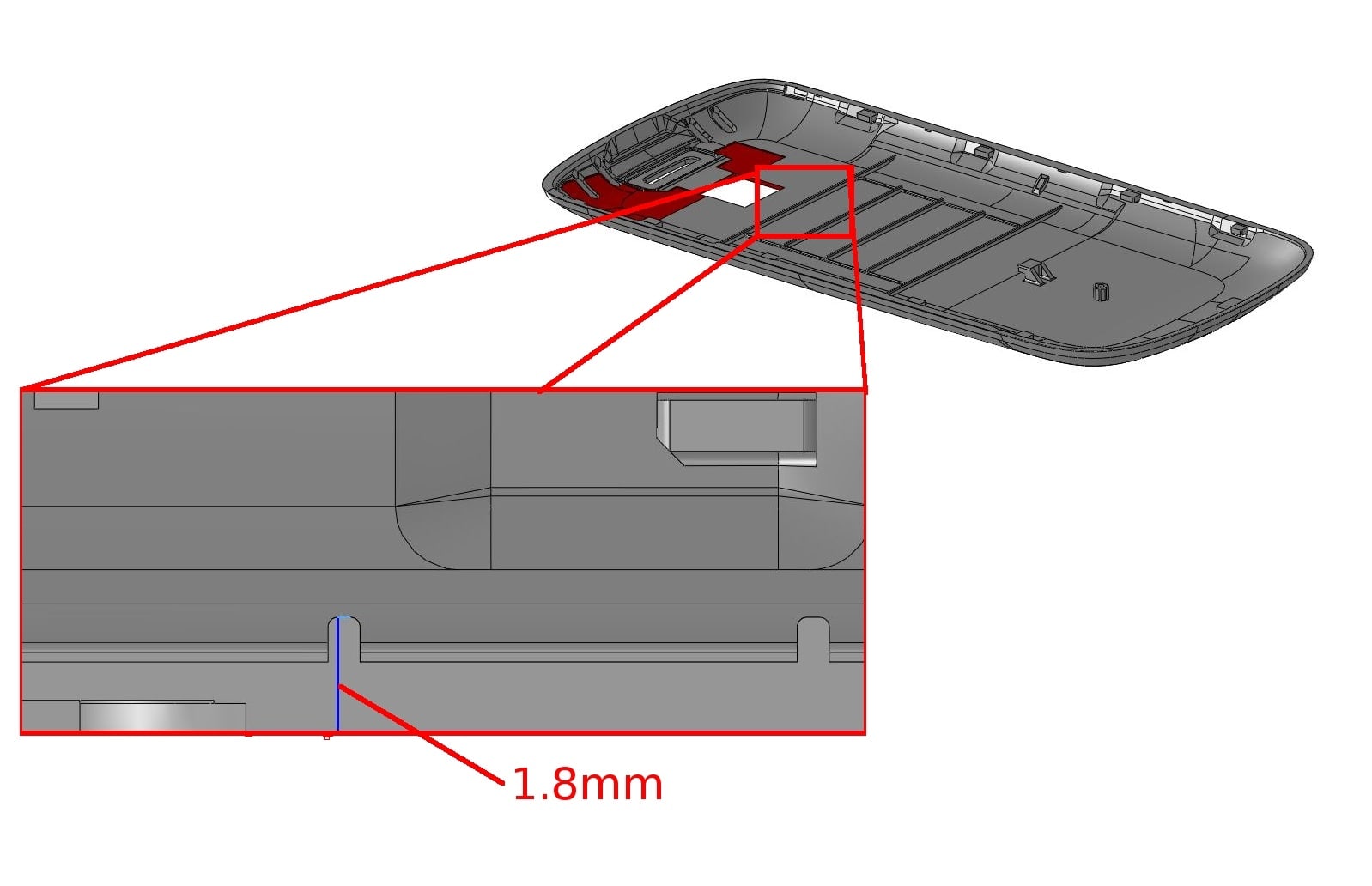
The physics set the limits. PowerMat needed a 1.6-2.4mm air gap, so 0.8-1.2mm of wall above the coil, and no metal between the coils. The design also had to keep the MyTouch design equities, with Mike Kemery, iD Lead, advising on industrial design.
Suppliers' stock designs would launch publicly on Oct 4, so any test needed a custom design. Mutual NDAs dated June 29, 2009 governed what we could share with PowerMat and Matchbox Mobile. Joseph Ungari, VP Advanced Innovations, signed them, and I was the Creation Center contact.
03Experiments
An RFI and design studies narrowed four suppliers to two
I compiled the RFI that went to suppliers. It covered a coil in a custom battery cover, a wall charger spec, and immediate-term and long-term OEM tracks.
Mojo Mobility and PowerMat responded, and WildCharge delivered a concept deck. We narrowed the field to PowerMat and WildCharge, then compared their material against T-Mobile retail data. I compared them on thickness, efficiency, data transfer, price and commercial terms.
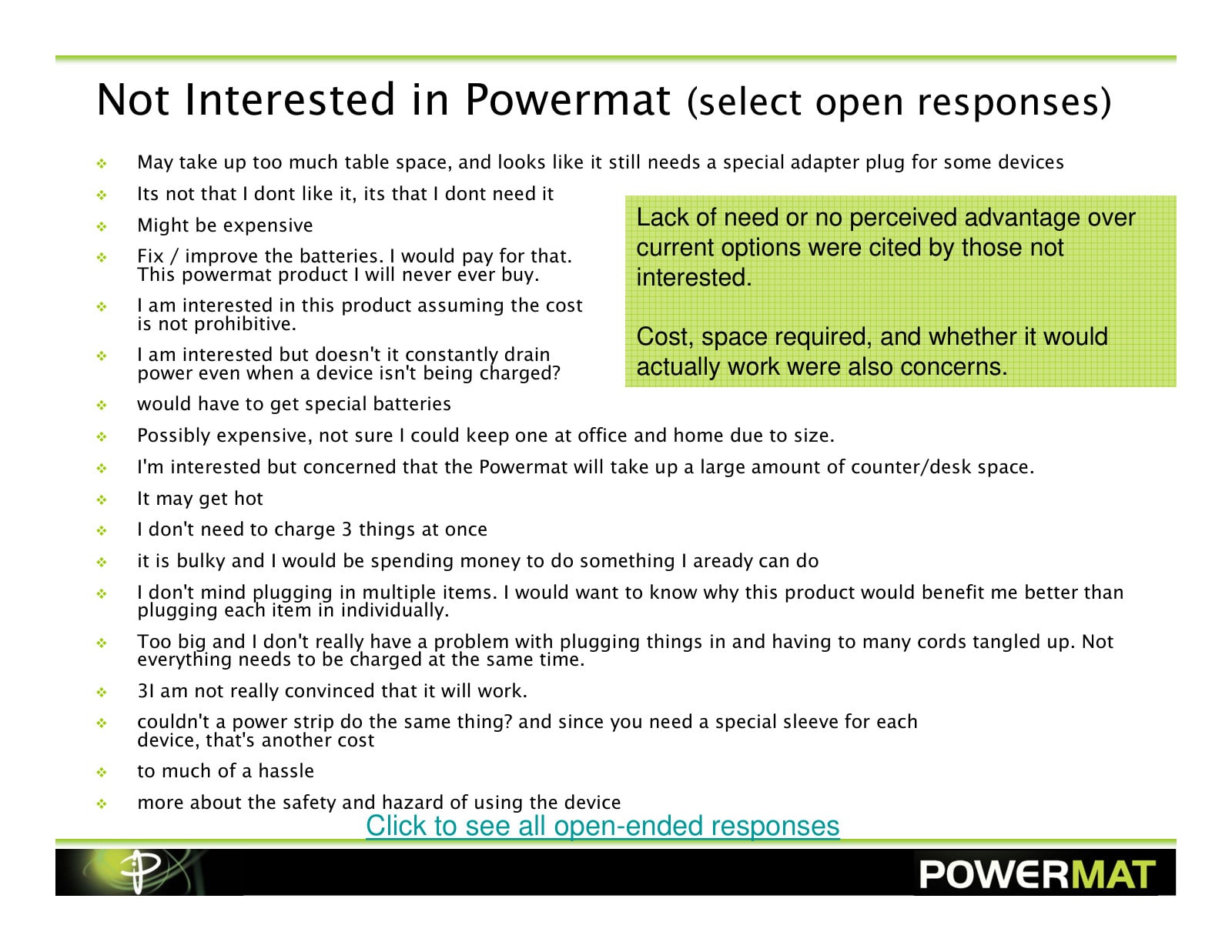
PowerMat ran an online survey of 502 people and supplied personas of its target consumers. Those informed our view of users.
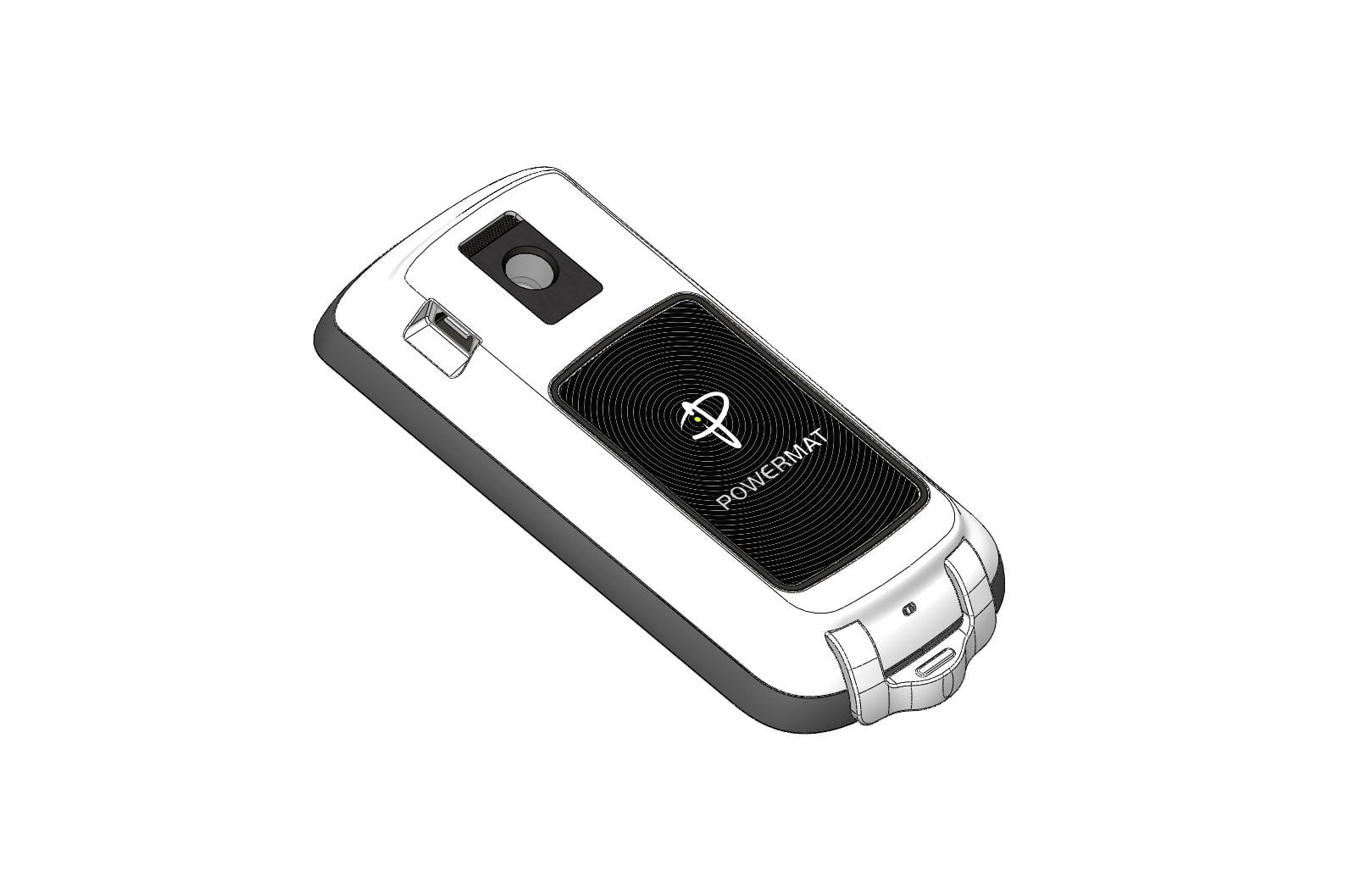
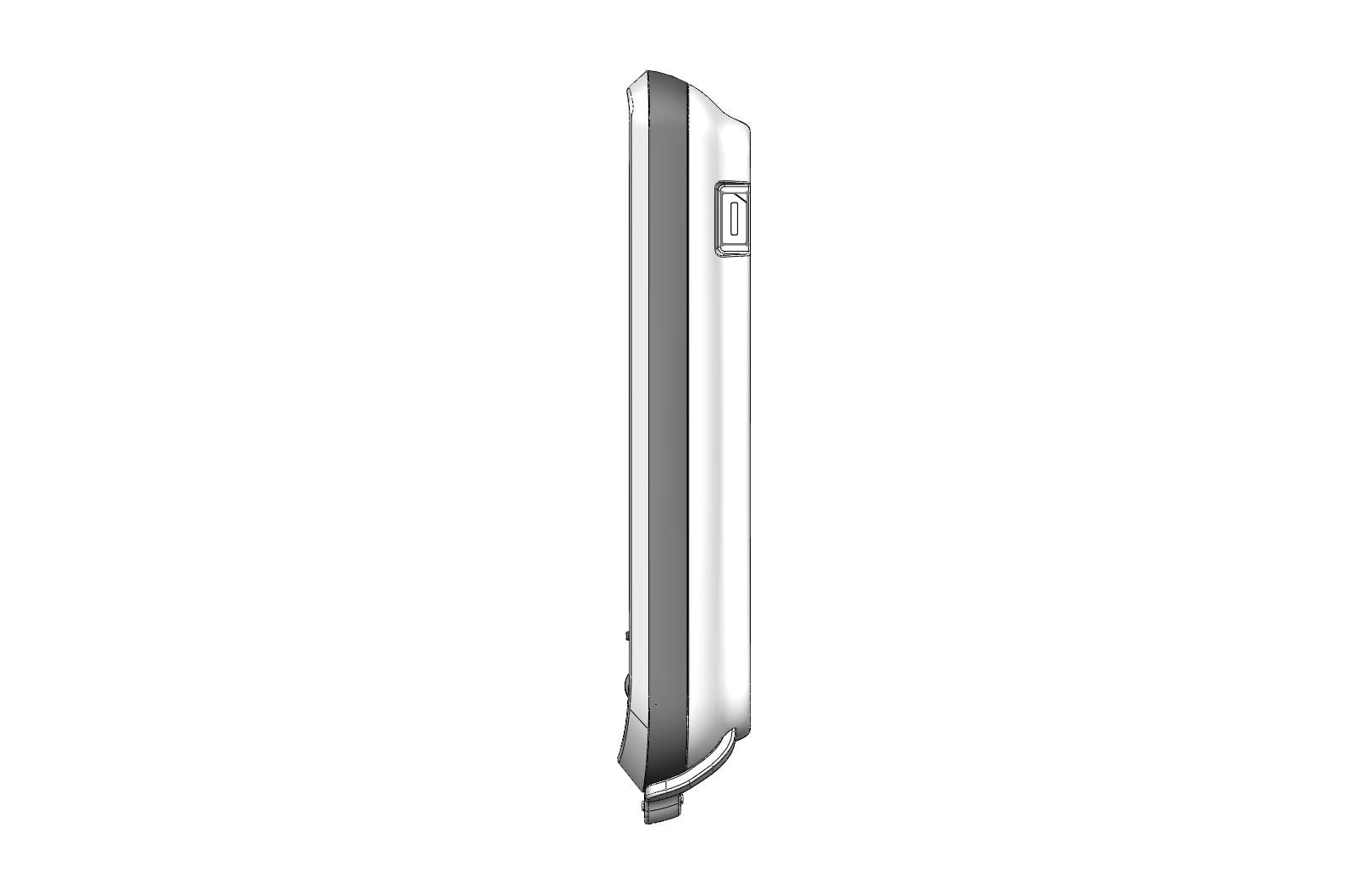
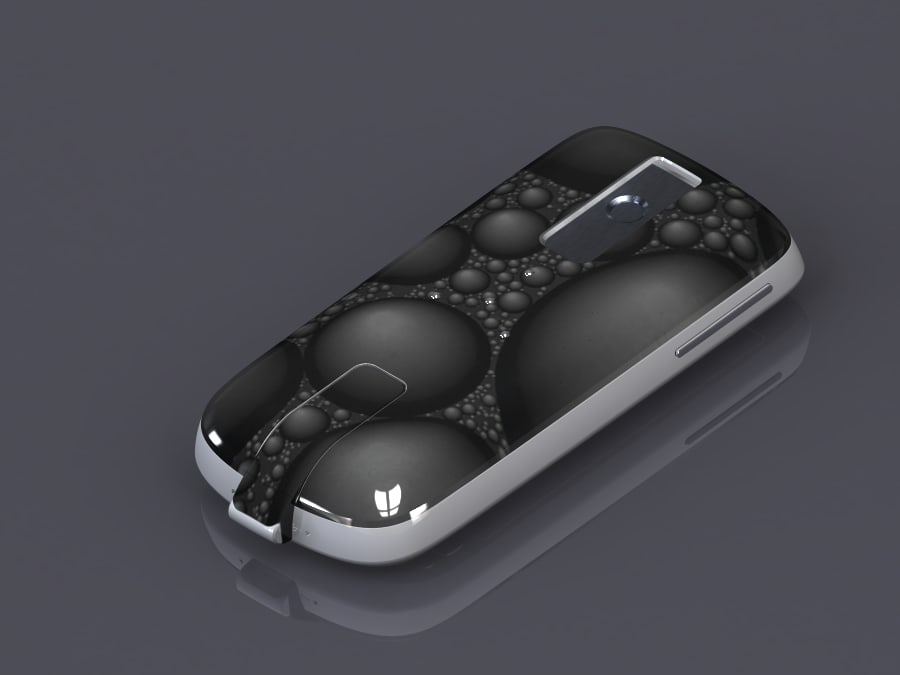
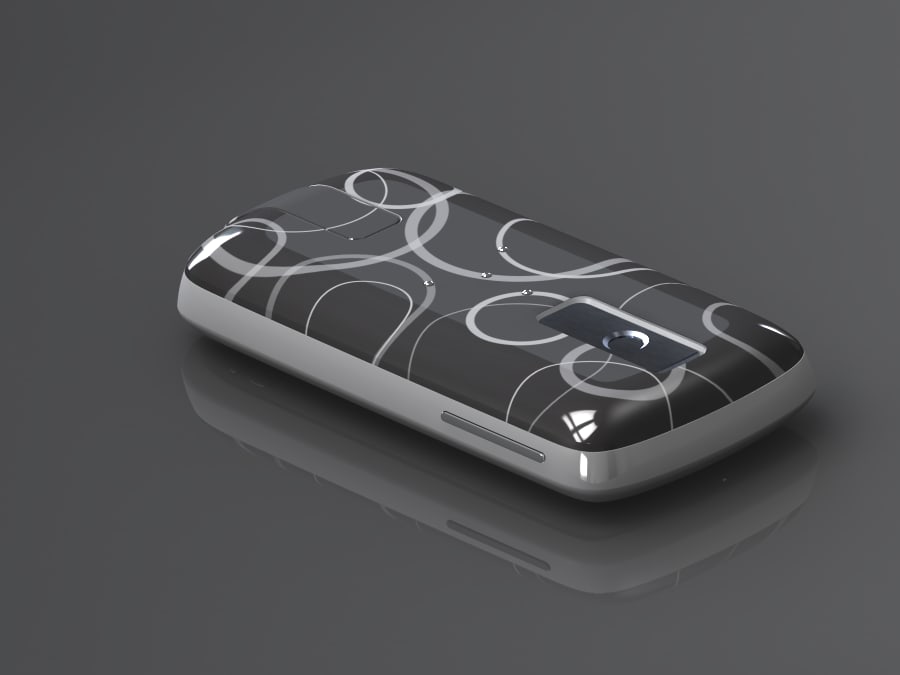
I led the design and directed the Bubbles and Circles back-panel graphic explorations for the door. As Technology Lead, I managed the first relationship with WildCharge, and we worked with them and internal resources on electromechanical feasibility.
04Learning
Retail mix pointed to a two-position mat
T-Mobile's retail mix favored a 2-position mat for a phone plus a Bluetooth headset.
We compared the two candidates side by side. WildCharge was cheap and first to market but older and less efficient. PowerMat offered a better form factor and data transfer. Neither clearly won.
Thickness of the receiver and cover emerged as the central design constraint. PowerMat's survey also gave us open-ended answers from non-interested respondents, who pointed to cost, space and lack of perceived advantage.
05Decision
We proposed testing a custom design, not picking a winner
We proposed that any test use a custom design, not a supplier's stock design. That meant more design work and tooling. The plan targeted a 2-position mat for a phone and a Bluetooth headset.
So I framed the choice as how to test a custom design, head-to-head or single, rather than which supplier to pick outright. We also proposed thickened-door and step/smooth back studies, and web sales and PR to limit confusion if both products were released.
The WildCharge work produced an electromechanical solution integrated with the MyTouch design that kept USB access. I wrote the WildCharge feasibility summary. The in-home head-to-head test and limited in-store trial were proposed only.